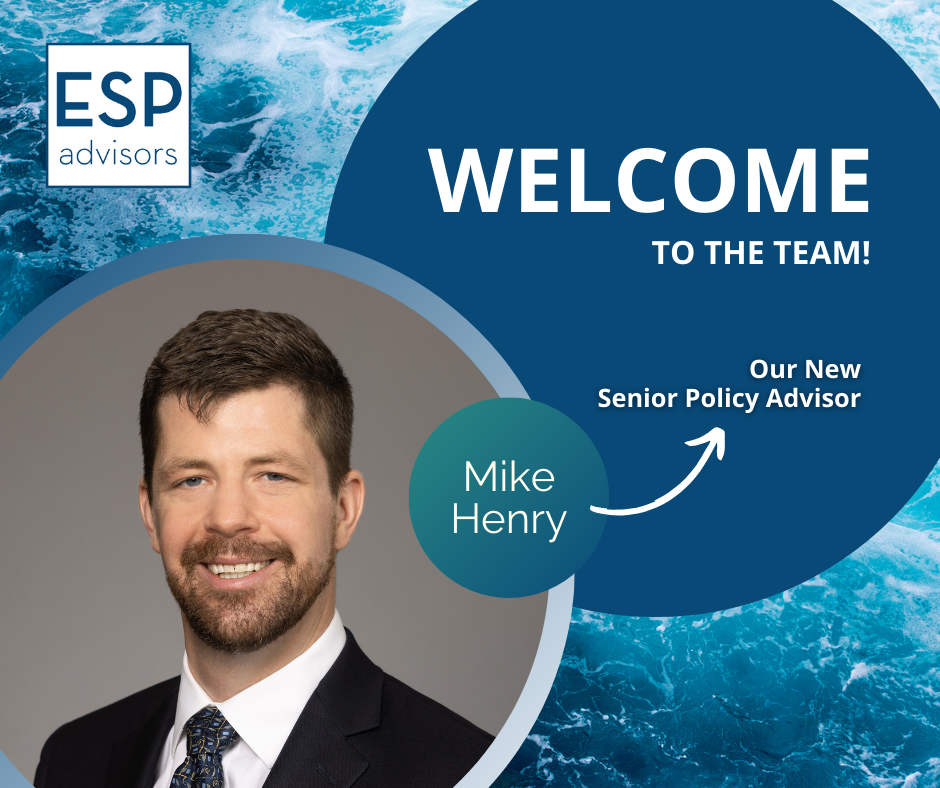
Mike is a Washington, D.C.–based science and technology policy leader and government relations professional who has focused his career on advocacy for weather, water, and ocean science. His work in this space began when he served as legislative staff for Sen. Ben Cardin of Maryland. The remainder of his career is bookended by two chapters, totaling eight years, at the University Corporation for Atmospheric Research (UCAR), most recently as Director of UCAR Government Relations and its Washington Office.
Before returning to UCAR, he spent five years in NASA’s Science Mission Directorate as a senior policy analyst, where he led the team responsible for building and supporting NASA’s science partnerships and directly supported the leadership of NASA’s Earth Science Division. Prior to NASA, he was Director of Science Policy at the American Institute of Physics, leading the team behind the FYI: Science Policy News service and resource center. Mike holds a B.A. in Political Science from Williams College and an M.S. in Environmental Studies, with a Certificate in Science and Technology Policy, from the University of Colorado Boulder. Curious about his journey? Get to know him below!
Where does your interest for Earth sciences come from?
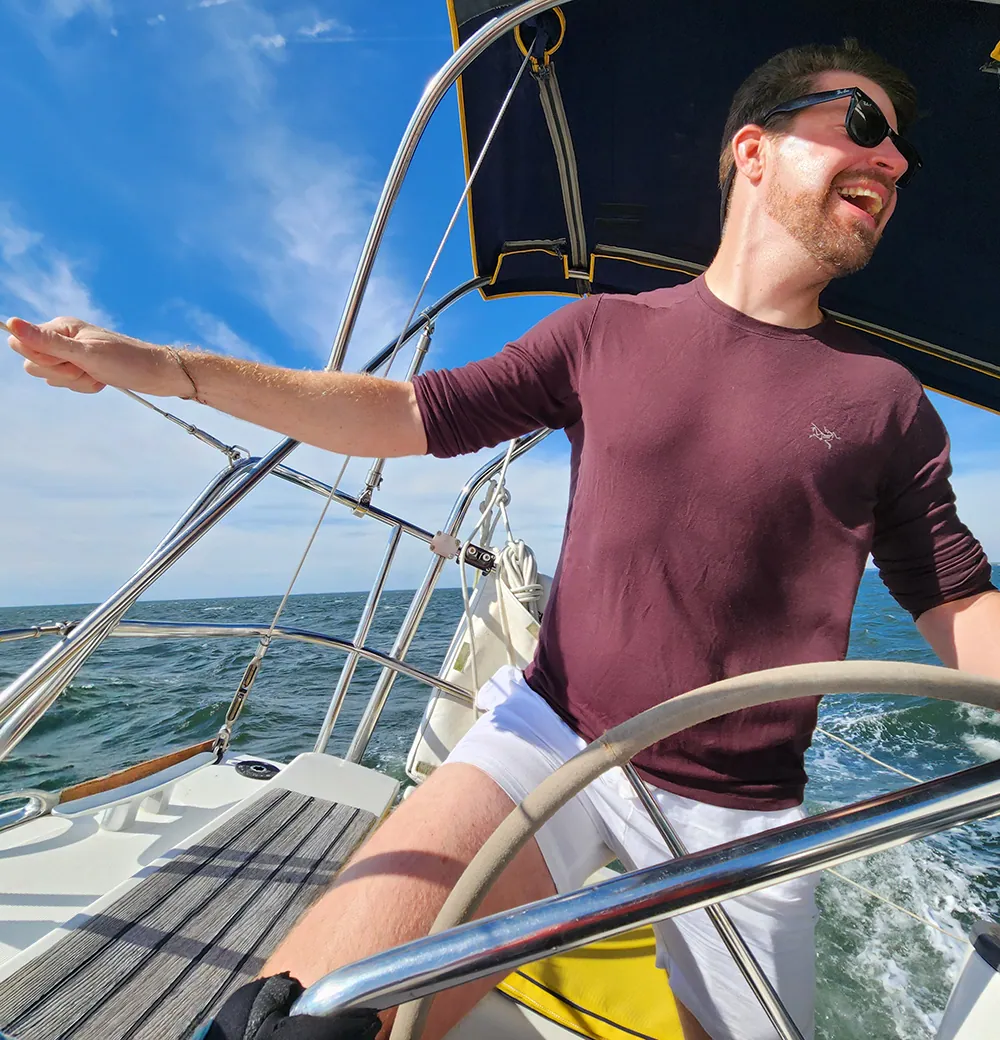
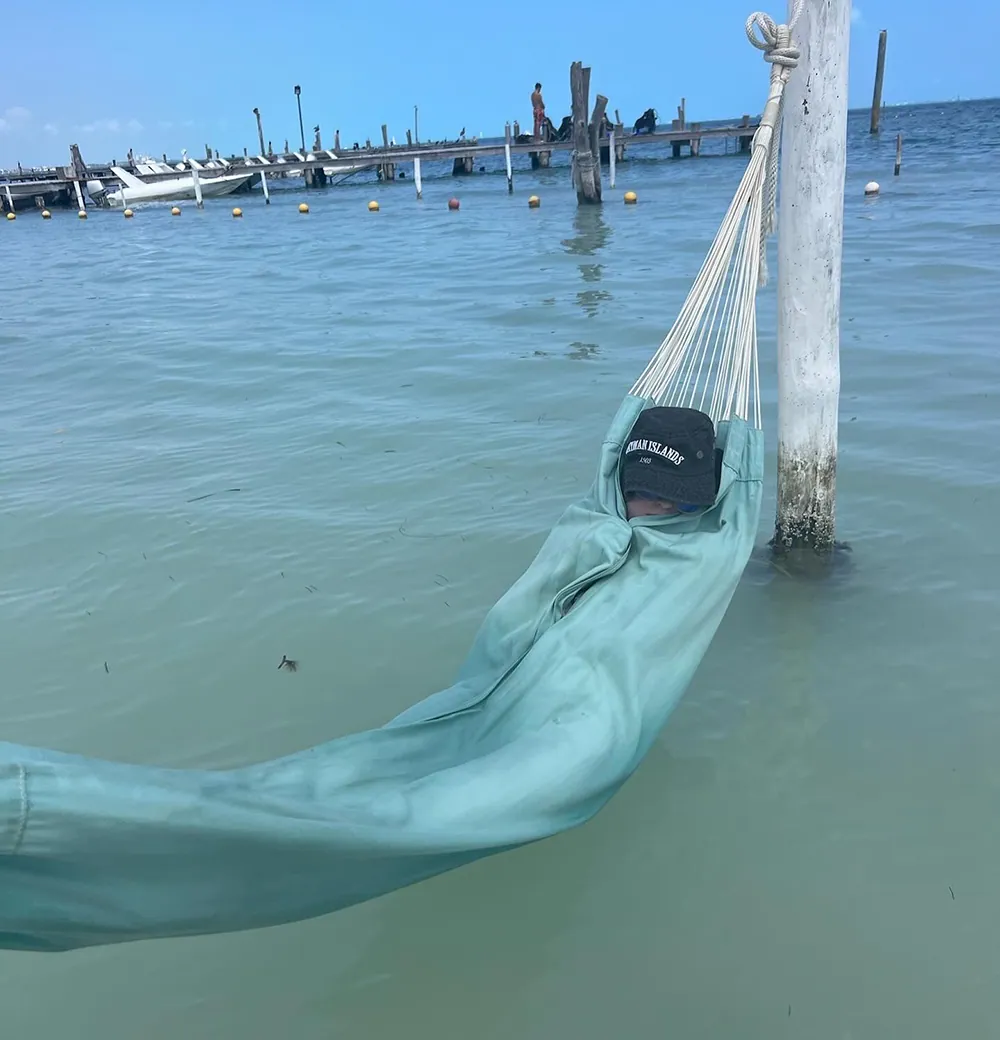
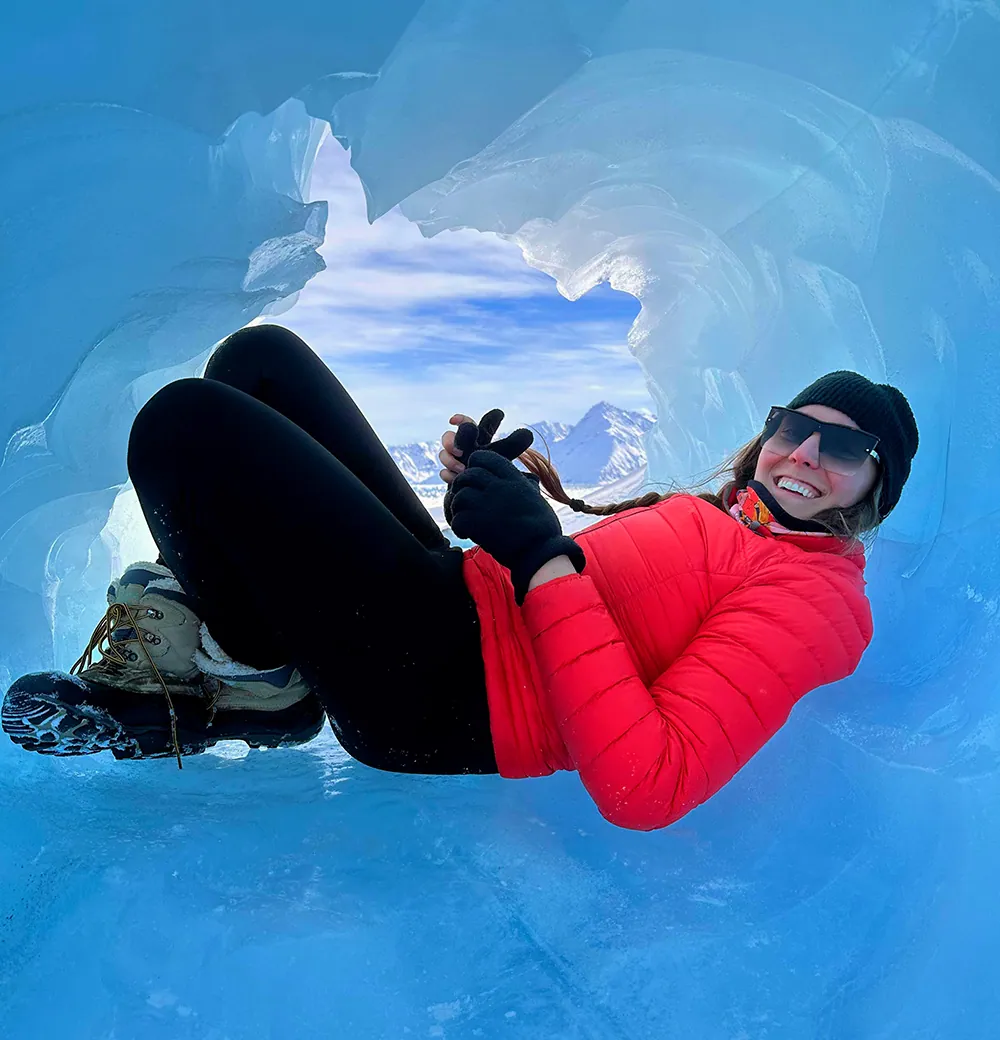
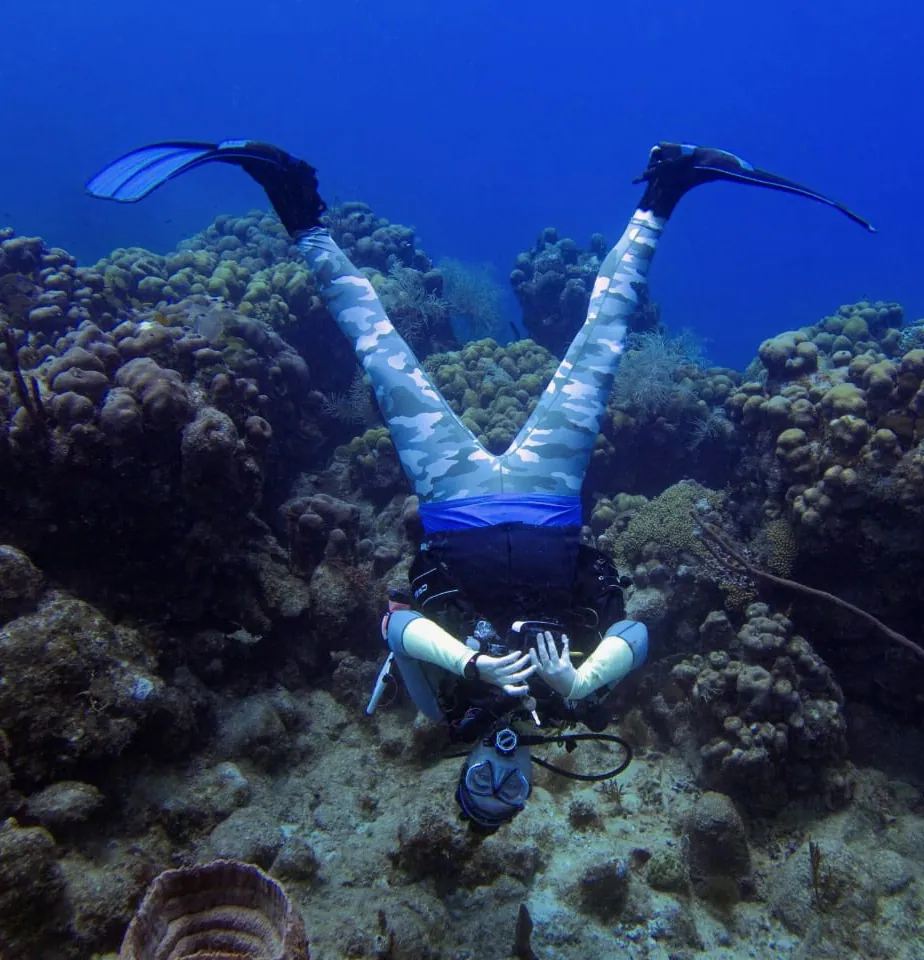
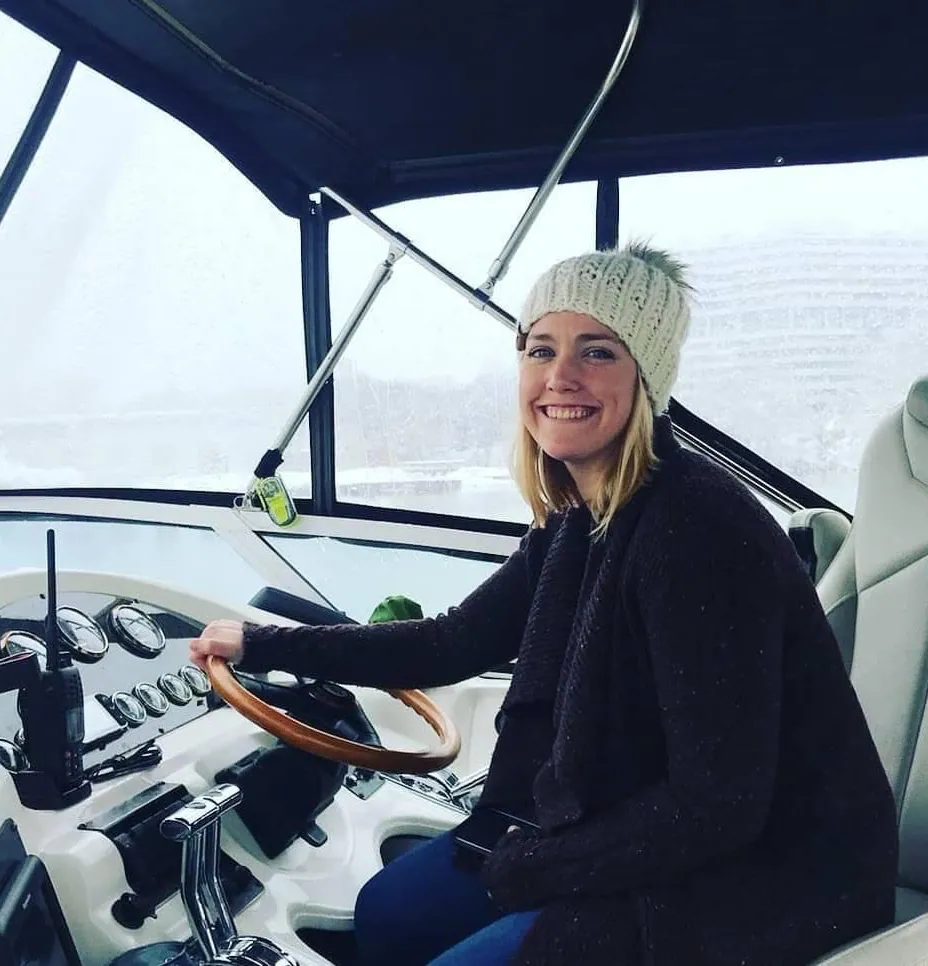
I grew up in Chesapeake Bay country on the Eastern Shore of Maryland. From the time I was little, I had a strong affinity for the water and the weather. I spent my childhood sailing, swimming, kayaking, and crabbing, and I participated from a young age in local efforts to learn about and keep the Bay as clean and protected as possible. An adventurous spirit in adolescence took me further afar—to the mountains of western Massachusetts for college, then to a fellowship in Cape Town, South Africa, in my early 20s, and later to Boulder, Colorado, at the foot of the Rocky Mountains, where I became enamored of mountain life as well as salt life. The one thread through all of it has been my unending fascination with nature and constantly seeking inspiration in the natural beauty of my surroundings, whether it’s scuba diving off a reef wall in the Caribbean or canyoneering in the American Southwest.
What path took you into environmental policy?
I became an advocate for weather, water, and ocean science while working on Capitol Hill as legislative staff for Sen. Ben Cardin of Maryland from 2007–2009. At the time, Sen. Cardin was the chamber’s lead champion for the Chesapeake Bay on the Senate Environment and Public Works Committee. I was part of the team who staffed him for his many hearings before the committee, including hearings on a prominent greenhouse gas cap-and-trade bill under consideration—which was bipartisan at the time. While the legislation didn’t pass the Senate, I took a job off the Hill in government relations at the University Corporation for Atmospheric Research, moving to the heart of the atmospheric science community in Boulder. This transition jump started my career at the intersection of environmental science, policy, and advocacy.
What are you looking forward to in your work with ESP Advisors?
Bringing advocacy for ocean sciences and atmospheric (weather and climate) sciences together under one roof. The ocean and the atmosphere are the same fluid at two different densities.
What’s something that blows your mind about the ocean?
In April 2024, my partner and I trekked the Everest region of Nepal and got to see Everest (Sagarmatha in Nepali) from multiple vantage points. I have learned, however, that Everest, at 29,000 ft, is actually not the tallest mountain in the world. If you include the oceans, the tallest mountain from the bottom of the seafloor to its peak is actually Mauna Kea on the Big Island of Hawai’i at 33,500 ft. Mauna Kea has a nearly 20,000 ft underwater base—more than its height above sea level. Think about all that extra Hawai’i that’s underwater, though most of it is so deep we can’t see it without specialized robotic technology.